Made for this idea
A quiet portrait to keep privately or share with someone who welcomes it. Begin with a familiar expression; decorative symbolism is optional and should follow the recipient’s preference.
Image to image
Choose reference photos, check the details that make a pet recognizable, and prepare a memorial portrait for a digital keepsake or a print.
Your next useful step
Choose your starting point, edit the instructions, and review the credit quote before generating. Current access conditions are shown in the creator.
Open the creatorIllustrative scenario, not a customer testimonial.
You have one favorite face photo and a second image showing the chest patch. Use the first as the main reference and the second only to explain that patch; review both details before choosing a print size.
Pet remembrance portrait
A quiet portrait to keep privately or share with someone who welcomes it. Begin with a familiar expression; decorative symbolism is optional and should follow the recipient’s preference.
Choose the photo that feels most like the pet you remember, even if it is not the newest one. Note grey fur, uneven markings and features that must not be idealized away.
Compare the eyes, muzzle and age before judging the background. Keep the original photo too. An AI remembrance image is an interpretation and does not promise grief relief or a restored memory.
Upload one to five JPG, PNG or WebP references, each up to 12 MB. Start with a clear face and add another angle only when it explains a marking or body feature.
Say what should change and what should remain: for example, change the setting while keeping the ear shape, eye color and chest patch. Avoid combining an outfit, background, pose and lighting change in the first attempt.
Check the quoted credits before submitting. When the work is ready, compare the face, edges and composition; for video, watch the beginning, middle and end. Download the accepted file from your library before its expiry date.
Image to image
This editable preset guides the model. Review the result before keeping it; a preset is not a guarantee of likeness, exact motion or flawless editing.
Edit the uploaded pet photograph. Gentle pet remembrance portrait in a peaceful flower garden, no religious symbols. Preserve the pet’s recognizable face, coat markings and proportions. Do not add text or watermarks.Try the other starting point · Text to image →
These are individual tests with licensed photographs or a written prompt. Compare the details before choosing a workflow; each result can differ.
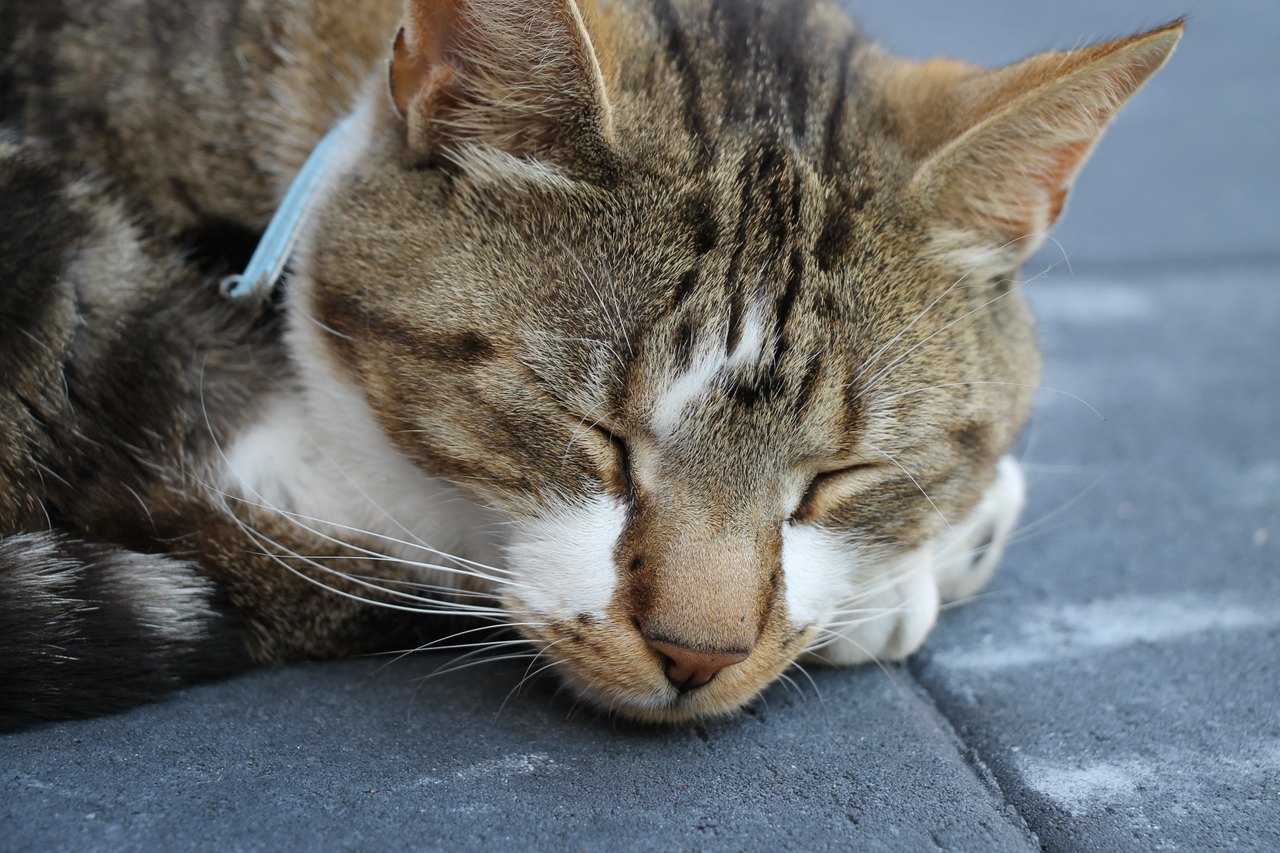
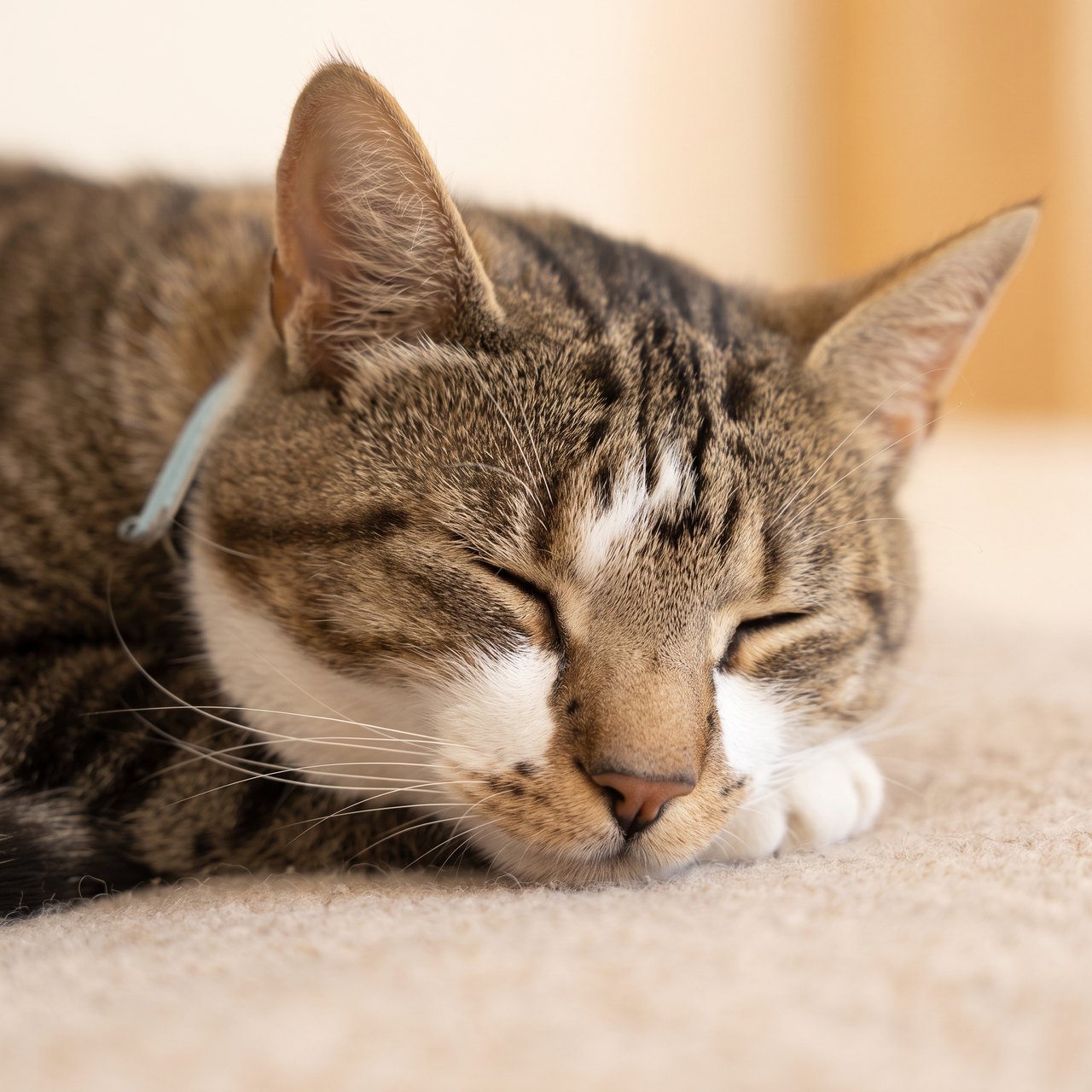
The closed eyes and main coat markings remain recognizable. Fine markings, whiskers and the surface beneath the cat were redrawn; no wings or halos were added. This is a hypothetical memorial test, with no claim about the photographed animal’s life status.
Source photograph: Roy Tanck · CC0-1.0
C04 · 2026-10-13 · fal-ai/nano-banana-2/edit
Make a quiet, restrained commemorative portrait using this exact resting cat as the reference. Preserve the closed eyes, facial proportions, ears, whiskers and visible fur markings. Keep the same natural resting expression and age, with a soft warm neutral background and gentle natural light. No angel wings, halos, rainbow, heavenly scene, candles, flowers, dates, name, text or invented objects. This is a calm artistic portrait, not a restoration of a real event.
Images and videos are compressed for this page. The dimensions shown describe the downloadable original. Video previews use the delivered clip without changing its action or playback speed.
Free previews carry a watermark: images up to 768 px on the long side and videos at 480p. They remain available for 14 days. Original access requires purchased credits when checkout is available; unlocked works are kept for 90 days. Check the actual dimensions and expiry on the completed work.
View pricing and access →Uploads and generated files belong to your private workspace. Generation providers process the material you submit. Sharing is a separate choice; upload only material you have permission to use.
Read the data-handling notice →Upload one to five JPG, PNG or WebP references, each up to 12 MB. Start with a clear face and add another angle only when it explains a marking or body feature.
Compare the eyes, muzzle and age before judging the background. Keep the original photo too. An AI remembrance image is an interpretation and does not promise grief relief or a restored memory.
A reference image gives the model information to work from, but distinctive markings, proportions and expressions can change. Text-only creation invents a pet from your description. If exact documentary detail matters, retain the original photo alongside any AI interpretation.
Free previews carry a watermark: images up to 768 px on the long side and videos at 480p. They remain available for 14 days. Original access requires purchased credits when checkout is available; unlocked works are kept for 90 days. Check the actual dimensions and expiry on the completed work.
This editable preset guides the model. Review the result before keeping it; a preset is not a guarantee of likeness, exact motion or flawless editing.
Updated 2026-10-12
A pet memorial portrait should be recognizable before it is beautiful. Begin with the photograph that shows the face you remember, decide which details must stay, and judge the preview against that photo. The studio creates AI artwork from your pet profile. You can choose a quiet natural portrait, review a watermarked preview, and keep the saved original if the result feels right.
Choose one to five photos you have permission to use. More pictures are useful when they reveal different information; five versions of the same blurred face add little.
| Reference | What it should show | What to record |
|---|---|---|
| Main face | The expression and angle you want to keep | Which photo should lead the portrait |
| Coat reference | Chest, back or side markings that are visible | Where a patch begins and ends |
| Second angle | A feature partly hidden in the main photo | An ear, muzzle shape or the side of the face |
Use the original image file when you have it. A screenshot may include a small version of the photo, compression or a filter. Keep the original outside the project so you have something reliable to compare with the artwork.
Open the reference and preview beside each other. Inspect the pet first and the setting afterward.
These are a review checklist, not a promise that the model will preserve every detail. If a feature is hidden in all the references, the model cannot verify it. Keep the simpler photograph when an interpretation changes something important.
The dog memorial portrait page looks more closely at muzzles, ears and senior coats. The cat memorial portrait page covers uneven facial markings and low-light photos.
The natural memorial template uses restrained light and color. A Rainbow Bridge portrait adds a meadow and subtle rainbow when that imagery is welcome. The pet's identity and the invented setting are separate choices.
For a gift, ask about the style before adding symbols or dates. You can keep a date in the pet profile without requiring it on the artwork. The current portrait template does not typeset a name on the image; the card tool is the place for accurately rendered written words.
A free image preview has a physical watermark and is no larger than 768 pixels on its longest side. A single image uses 10 purchased credits for paid generation or to unlock a free preview. Unlocking opens the original saved with that work; it does not generate a second image.
Check the current credit packs before buying. A file's actual dimensions appear with the completed work. The price describes access and exports, not guaranteed likeness, a hand-painted commission or a shipped frame.
Decide whether you want the whole image with surrounding space or a crop that fills the paper. Cropping can remove ear tips or a paw, so review the composition again after changing the ratio.
The work page offers PNG, the stored original and 5×7 or 8×10 inch PDF layouts. Those PDFs fit the existing image on the paper. They do not create extra detail.
The starting values are an example. Enter the pixel dimensions of your downloaded file.
409.6 pixels per inch · artwork occupies 5.00 × 5.00 in.
This is a calculation, not a file conversion. Fit matches the studio PDF layout; fill estimates a crop. Your printer can advise on its own requirements.
Pixels per inch depend on the source pixels and the physical size occupied by the image. Adobe's image-size guidance distinguishes pixel dimensions, print resolution and resampling. Use the calculation as preparation for a conversation with your printer, rather than treating a file labeled “HD” as a print guarantee.
Download the files before the displayed expiry date. Free works are kept for 14 days; unlocked works are kept for 90 days from unlocking. Keep the original photo, the chosen artwork and a short note explaining which details you checked.
For several pets, use the pet family portrait with separate profiles. A portrait with a person also needs that person's profile and reference photos.
A recent photograph is not automatically the right reference. You may want the gray muzzle from the last few years, or the face from a much earlier walk. Pick one age and expression as the main reference, then label other images by the detail they clarify. A second photograph can explain a hidden ear or chest marking; it should not quietly replace the age of the main image. If several family members are choosing, agree on this reference before discussing colors or backgrounds.
For example, a made-up brief could read: “Keep the narrow muzzle, the small white patch under the chin and the uneven ears. Keep the older face. Use a quiet plain background.” This is an example of how to describe a reference, not a customer result. Point to visible features rather than asking for “a beautiful dog.” A photo reference brief helps when your pictures have different crops, lighting or poses.
Compare the original and portrait at a similar size. Look first at the outline of the muzzle, the distance between the eyes, the ears and the distribution of light and dark fur. Only then judge the background and brush effect. A pleasing color palette can make a changed face harder to notice. Save a short correction note tied to one visible feature. If identity is wrong, a larger download or a print will not repair that mistake; return to the reference choice instead.
A phone keepsake and a framed print need different final checks. For a phone, open the downloaded image on the actual device and see whether the face is covered by controls. For a frame, use the file’s real pixel dimensions and the visible opening of the mount, then inspect a small proof before ordering a larger print. The frame preparation guide explains that handoff. Keep the original photograph, the selected artwork and the final print file as separate files with recognizable names. The keepsake source record can preserve who supplied the photograph and which version the family approved.
Yes. You can mark the profile as a remembrance profile. Use photos you have permission to use and leave uncertain dates blank.
It is AI-generated digital artwork. You receive files to keep or print through a service you choose.
The restoration tool is a separate editing task. Its results also need comparison with the source, especially around damaged facial details.