Made for this idea
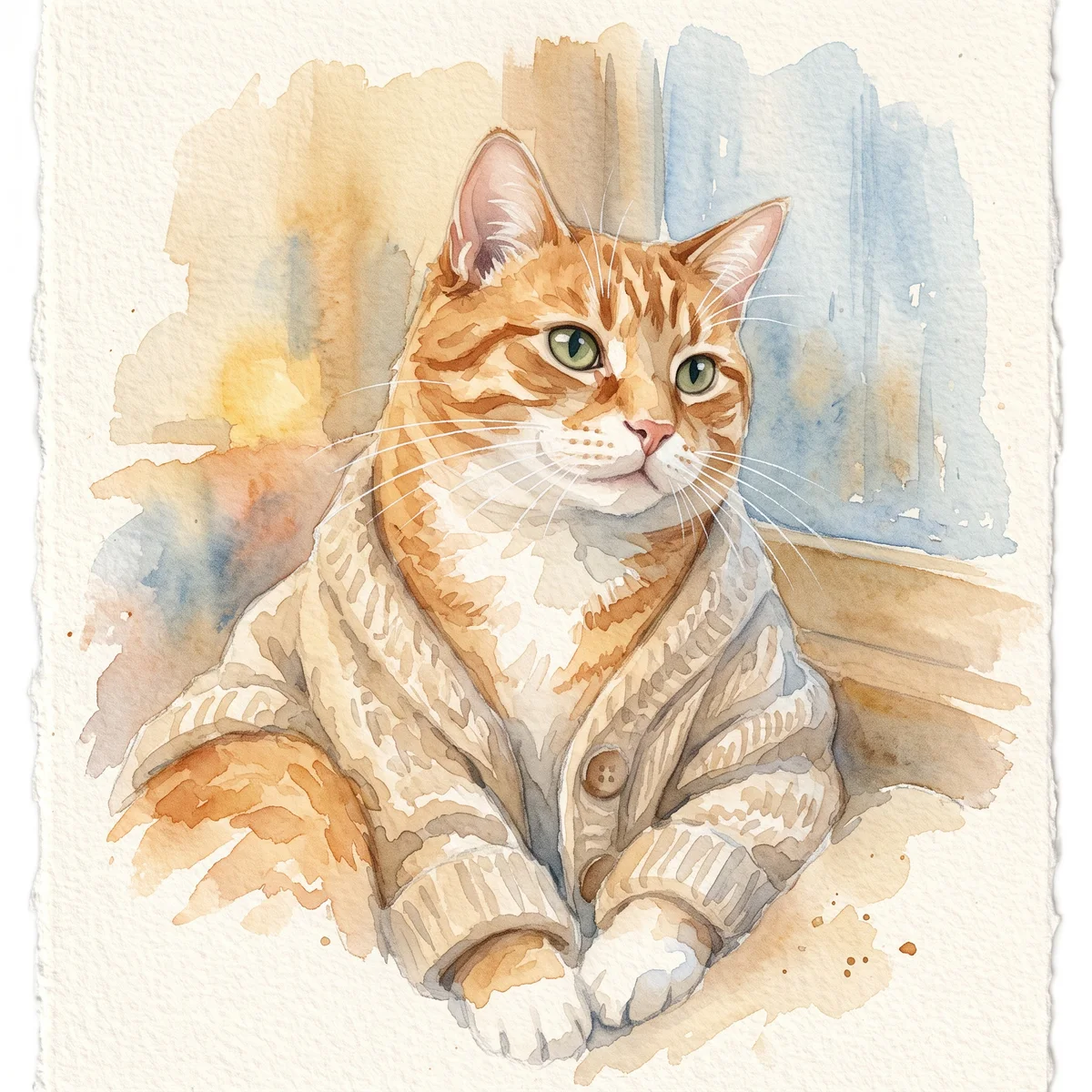
A soft portrait for a small print, keepsake or quiet profile image. Pale washes work best when the face remains the strongest shape in the composition.
Image to image
Compare pet portrait styles, choose a reference photo, and start a portrait with your own pet. Keep coat markings, ears and expression in view.
Your next useful step
Choose your starting point, edit the instructions, and review the credit quote before generating. Current access conditions are shown in the creator.
Open the creatorIllustrative scenario, not a customer testimonial.
You want a recognizable image for a wall, while another family member wants a funny avatar. Compare those two uses before choosing a style: the print needs a suitable crop and dimensions, while the avatar must read clearly when small.
Watercolor portrait
A soft portrait for a small print, keepsake or quiet profile image. Pale washes work best when the face remains the strongest shape in the composition.
Use even lighting and a plain background. Ask for a restrained palette and leave paper-colored space around the ears; busy scenery can obscure fine whiskers.
Check that watery edges have not erased an eye, merged the ears or moved a distinctive patch. Review at the size you intend to display, then use the print-size calculator if printing.
Upload one to five JPG, PNG or WebP references, each up to 12 MB. Start with a clear face and add another angle only when it explains a marking or body feature.
Say what should change and what should remain: for example, change the setting while keeping the ear shape, eye color and chest patch. Avoid combining an outfit, background, pose and lighting change in the first attempt.
Check the quoted credits before submitting. When the work is ready, compare the face, edges and composition; for video, watch the beginning, middle and end. Download the accepted file from your library before its expiry date.
Image to image
This editable preset guides the model. Review the result before keeping it; a preset is not a guarantee of likeness, exact motion or flawless editing.
Edit the uploaded pet photograph. Soft watercolor pet portrait with visible paper texture. Preserve the pet’s recognizable face, coat markings and proportions. Do not add text or watermarks.Try the other starting point · Text to image →
These are individual tests with licensed photographs or a written prompt. Compare the details before choosing a workflow; each result can differ.
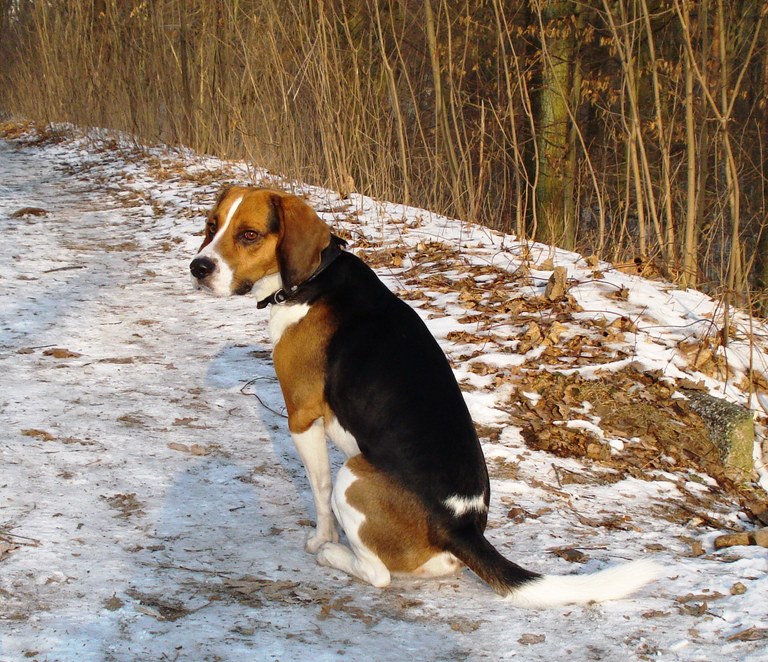
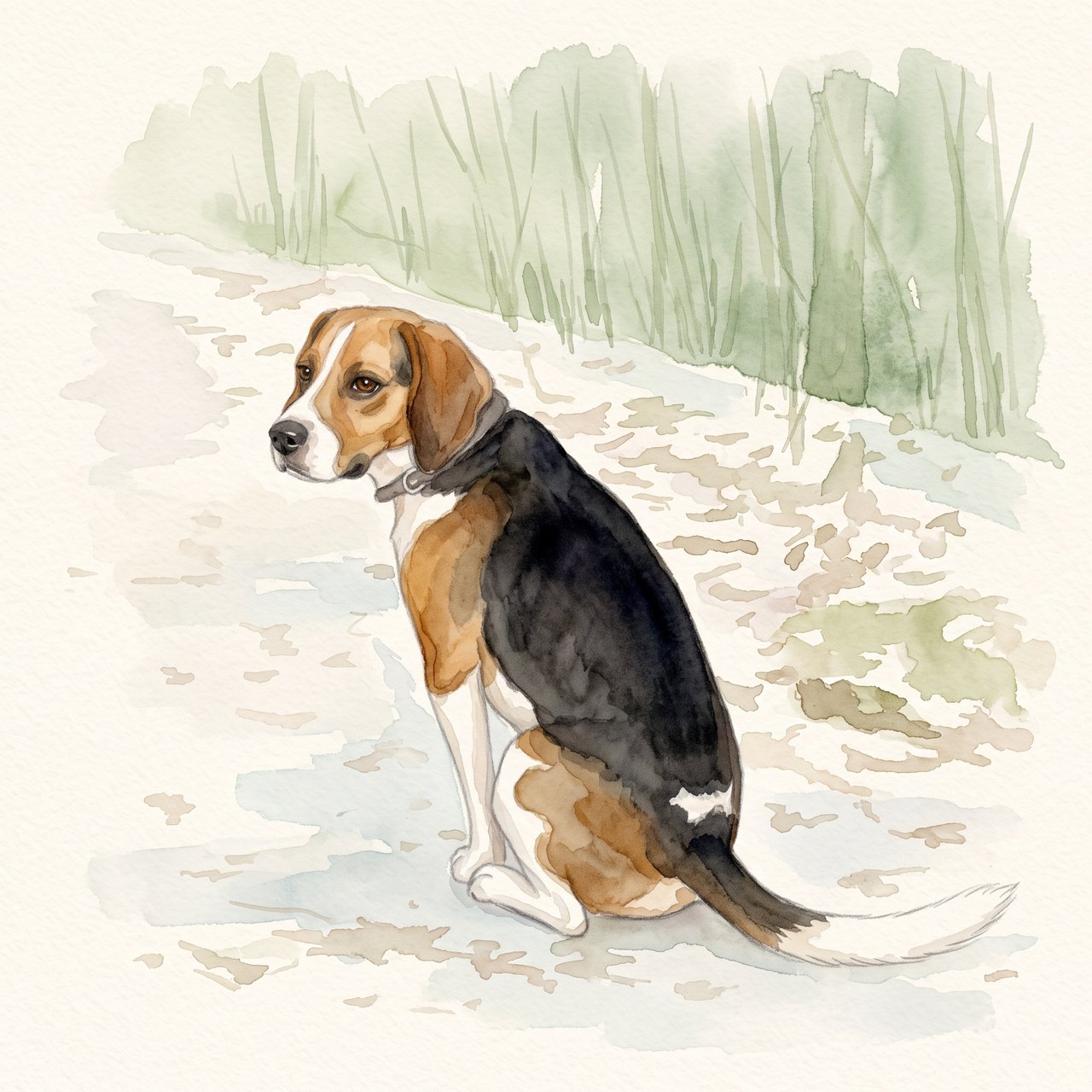
The seated pose, white blaze, dark saddle and white-tipped tail remain recognizable. The face and fur edges are redrawn, and woodland shapes remain despite the request for a plain background. Check these details before using the portrait.
Source photograph: Grzes1966 · CC0-1.0
R07 · 2026-10-14 · fal-ai/nano-banana-2/edit
Create a gentle watercolor portrait from this exact tricolor dog photo. Preserve the white blaze, black saddle, tan ears, white-tipped tail and visible seated pose. Keep the entire existing photo content in view. Use a clean pale cream paper background and soft sage accents. No additional animals, text, clothing, wings, halo, extra limbs or invented props.
Images and videos are compressed for this page. The dimensions shown describe the downloadable original. Video previews use the delivered clip without changing its action or playback speed.
Free previews carry a watermark: images up to 768 px on the long side and videos at 480p. They remain available for 14 days. Original access requires purchased credits when checkout is available; unlocked works are kept for 90 days. Check the actual dimensions and expiry on the completed work.
View pricing and access →Uploads and generated files belong to your private workspace. Generation providers process the material you submit. Sharing is a separate choice; upload only material you have permission to use.
Read the data-handling notice →Upload one to five JPG, PNG or WebP references, each up to 12 MB. Start with a clear face and add another angle only when it explains a marking or body feature.
Check that watery edges have not erased an eye, merged the ears or moved a distinctive patch. Review at the size you intend to display, then use the print-size calculator if printing.
A reference image gives the model information to work from, but distinctive markings, proportions and expressions can change. Text-only creation invents a pet from your description. If exact documentary detail matters, retain the original photo alongside any AI interpretation.
Free previews carry a watermark: images up to 768 px on the long side and videos at 480p. They remain available for 14 days. Original access requires purchased credits when checkout is available; unlocked works are kept for 90 days. Check the actual dimensions and expiry on the completed work.
This editable preset guides the model. Review the result before keeping it; a preset is not a guarantee of likeness, exact motion or flawless editing.
Updated 2026-10-12
Pet portraits can be playful without losing the face you recognize. Start with a style that suits the way you will use the picture, then choose a photo that clearly shows your pet. The gallery above contains original style examples; they are not customer commissions or evidence that every pet will get the same result.
A phone screen benefits from a readable face and a simple background. A framed picture gives you more room for texture. A small sticker needs an outline that remains recognizable after shrinking.
Storybook color suits an illustrated character. Watercolor gives edges room to soften. Plush and clay reinterpret the pet as an object, so compare the ears and markings carefully. Royal clothing changes the costume; it should not replace the head with a generic breed.
Choose a card above to open its portrait workflow. You can change the style before requesting a price.
Use a still photo with both eyes or a deliberate side profile, a visible muzzle and enough light to separate dark fur from the background. Avoid a tight crop through an ear.
A second photo is useful when it clarifies a marking. Mixing a puppy photo with a recent adult photo asks the model to resolve two different appearances. Keep references from the age you want represented.
Dog portraits from photos and cat portraits from photos have separate preparation notes and profile filters.
Compare the result with your source at the same visible head size. Look at eye spacing, ear shape, nose outline and asymmetric patches. A flattering expression does not compensate for a missing identifying feature.
Keep a short note beside each candidate: what matches, what changed, and whether the change is acceptable for this artwork. The AI pet portrait review provides a structured comparison.
A generated portrait and a print layout solve different tasks. Download the selected original before its displayed expiry. Keep the source photo alongside it, under a different filename.
The wallpaper tool makes a screen-sized PNG from a photo you select. The sticker tool lets you trace a manual transparent cutout. Neither export creates new detail in a small original.
Pet portraits can be made for a phone screen, a wall, a card or a small gift. Each use changes what you should inspect. A detailed scene may work on a large display but lose the face on a small screen. A simple head portrait may read clearly on a card yet feel too tightly cropped in a wide frame. Start with the destination and orientation, then choose the visual style. You can keep more than one crop without pretending each crop is a different artwork.
When reviewing a sample, look for the source photograph, the resulting image and a clear description of what was created. A style concept can explain an aesthetic, but it does not prove that the service preserved a particular pet’s identity. Compare the muzzle, ears and markings when an original is available. The site’s inspiration library distinguishes real generated examples from other visual material. Treat a sample as evidence for that example, not a guarantee that every source photo will produce the same quality.
Pick a feature you would be disappointed to lose: a split-colored face, a crooked ear or a gray chin. Examine how each style handles it. A soft watercolor may blur a fine marking; a stronger outline may keep the silhouette while simplifying fur. A royal pet portrait adds clothing, which creates a different check around the neck and ears. This gives the style decision a practical basis. You are choosing the treatment that fits both your taste and the individual pet, not simply the most dramatic sample.
Once a style appeals to you, prepare one main photograph and any supporting images that answer a specific uncertainty. Avoid sending an unlabelled pile of photos from different ages. Note the crop, intended use and details to preserve. If you want to compare creation methods first, use the custom portrait guide. If you are ready to use your own photograph, the AI portrait workflow explains the next steps. Keep the selected reference with the final file so you can understand the work’s origin later.
No. They are original illustrative examples. Your selected pet photos are the references for your own generation.
No. The everyday gallery focuses on playful portraits. A separate memorial portrait page uses a quieter brief.
This workflow supplies digital files. It does not place a print order or promise shipping. Confirm the dimensions and crop with your chosen printer.
Keep the pet portrait that preserves the details you care about, then prepare the export for its actual destination.